




Share My QR |
|
Success!
2,043
Redington Shores combines Gulf-front condominiums, smaller beach buildings, waterfront homes and properties along the Intracoastal side of Gulf Boulevard. The right fit depends on more than the view: building condition, water exposure, parking, rental rules and total ownership costs can materially affect how a property works for a buyer.
Gulf-front condos offer direct beach access and sunset views, while Intracoastal properties may appeal to buyers who prioritize boating, docks or calmer water views. Homes and condos near Gulf Boulevard can provide beach access without being directly on the sand. Compare the walking route, traffic, guest parking, storage and everyday access—not just the map distance to the beach.
For a Redington Shores condo, review the association budget, reserves, master insurance, deductibles, recent meeting minutes, pending claims, engineering reports, milestone-inspection and Structural Integrity Reserve Study information when applicable, special assessments, rental rules, pet policies, parking and storage. Financing and insurance can depend on the building as well as the unit. Use the Pinellas County Condo Resource Center as a starting point.
For Intracoastal homes, investigate the seawall, dock, lift, permits, water depth and practical route to open water. Ask what was repaired after major storms and whether the work was permitted. A waterfront feature can be valuable, but deferred seawall or dock work can also be a significant ownership expense.
Check the exact address using the Pinellas County flood maps, and review both flood and evacuation-zone information because they measure different risks. Ask for available elevation, permit, repair, insurance-claim and mitigation records. The town’s Building Department publishes current permitting information. Condo buyers should also review the association’s master coverage, deductibles, storm repairs and any unresolved claims.
Redington Shores publishes rental regulations and registration requirements, and the rules can depend on zoning and the specific property. A past rental history or an online listing does not prove that future rentals will be permitted. Review the town’s current rental regulations, then confirm the condo or HOA documents, minimum lease periods, approval procedures and any other property-level restrictions.
Confirm deeded or assigned spaces, guest parking, overnight rules, vehicle limits and the walking route to the beach. The town’s parking page provides current information about public parking and resident or property-owner permits.
Coastal buyers often want clear answers about insurance, permits, flood history, condo finances, seawalls and storm repairs as well as comparable sales. Organizing those records early can reduce uncertainty and help qualified buyers evaluate the property confidently. If you are considering a sale, I can prepare a pricing and seller net analysis based on the property type and current competition.
Send me the property address—or the building and unit number—and I will help you identify the documents, recent sales and property-specific questions worth investigating. Contact Adi Rakanovic, browse the current listings below, or review my Pinellas County home-buying process.
Local real estate guidance from Adi Rakanovic, Realtor with Lipply Real Estate. Updated September 2026. Rules, insurance availability and property conditions can change; verify current details for the specific property.
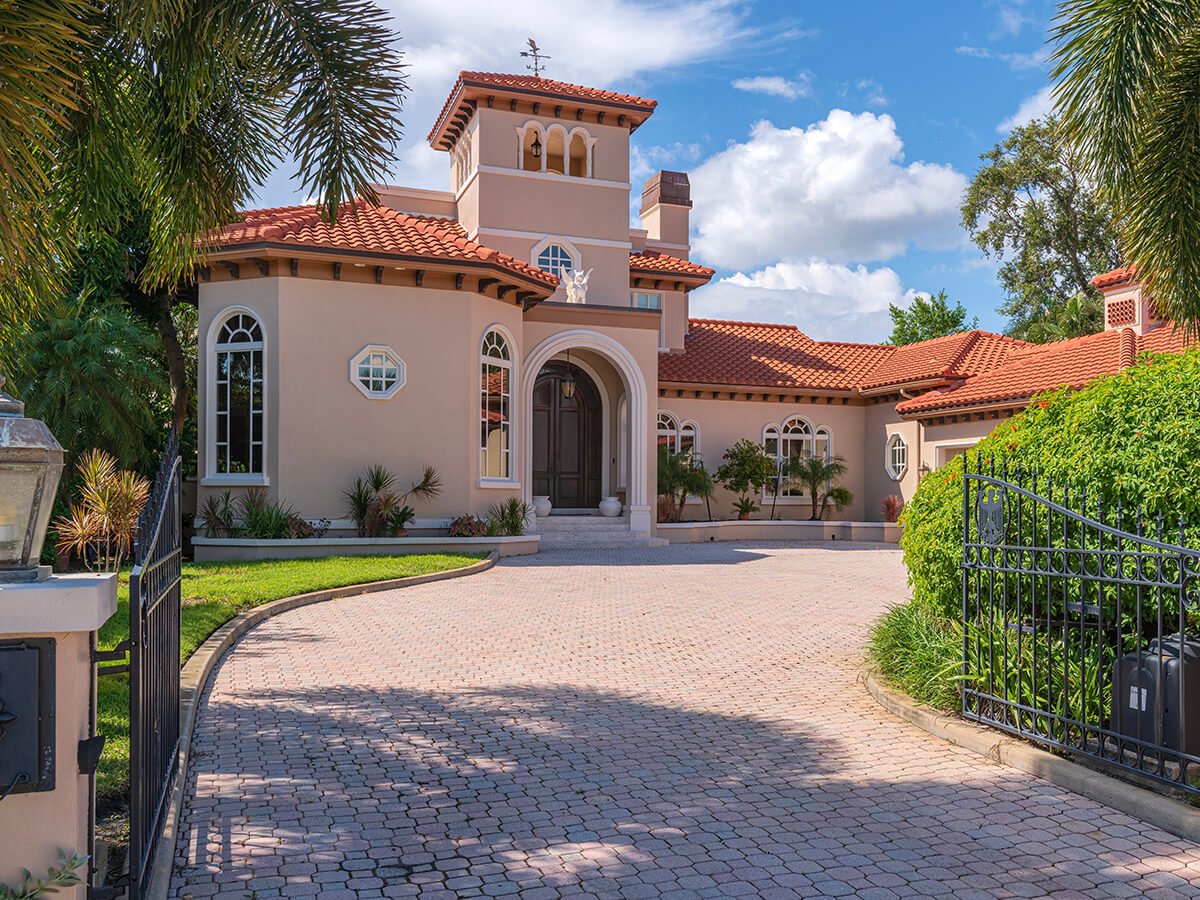
Wondering how the local market is shifting? Our most recent market report offers a clear look at home sales, pricing trends, and neighborhood demographics—giving you a solid foundation to make informed decisions. Whether you're exploring your options or actively planning your next move, this is a great place to start.
Pop in your info below for immediate access.
Share My QR |
|